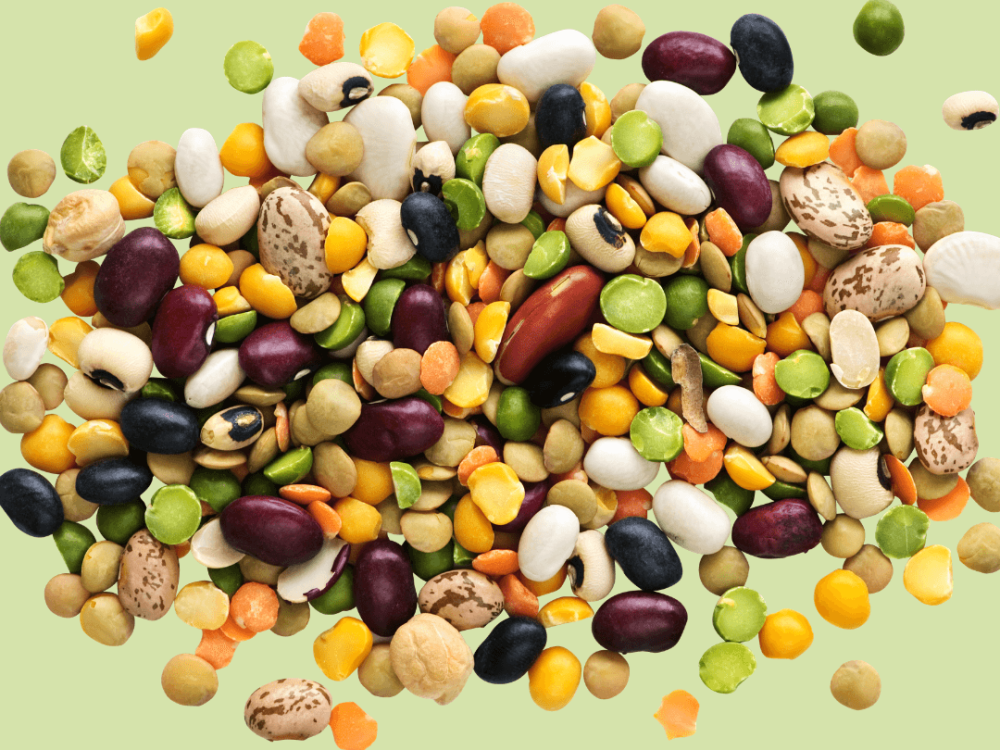
Midlife and perimenopause can bring a significant changes to your body, as well as a variety of menopausal symptoms. From supporting gut health and hormone balance, to lowering cholesterol levels, beans are a simple, practical addition to your diet that can help make the menopause transition more manageable.
Beans are one of the highest-fibre foods, with a single portion (about 3 tablespoons) providing 5-7g of fibre. As only 2% of women in the UK, aged 19-64 years, meet the recommended 30g of fibre per day (NDNS, 2025), adding beans to your meals is a simple way to get closer to that target.
Below are 5 ways beans can benefit perimenopausal women, along with some practical tips for including them in your diet.
1. Supporting hormone balance
Among the trillions of microbes in your gut is a unique group called the estrobolome, which supports oestrogen metabolism and helps regulate circulating oestrogen levels. Eating a variety of beans and other fibre-rich plant foods provides these microbes with a range of fibres to feed on, keeping them happy and functioning well.
Practical tip: Mash some canned cannellini beans in with mashed potato; make a hummus with edamame beans, or add canned butter beans to a soup or stew.
2. Benefitting heart health
Oestrogen has a protective effect on the heart, so the drop in oestrogen and changes that occur around menopause can increase your risk of heart disease. Beans provide a useful balance of protein and fibre, whilst being naturally low in saturated fat and packed with key vitamins and minerals, such as B-vitamins and potassium, that support heart health.
Beans provide both insoluble and soluble fibres, which have been shown to reduce the risk of cardiovascular disease. The soluble fibre in particular, helps lower cholesterol levels. Eating a portion (about 3 tablespoons) of beans and pulses a day has been shown to reduce LDL cholesterol.(Ha et al, 2014) Soya beans have been shown to be particularly useful for lowering cholesterol, due to the type of protein and heart healthy omega-3 fatty acids found in soya beans. (Check out my blog post on cholesterol here)
Practical tip: Fresh, canned, frozen or dried beans all count. Enjoy a classic baked beans on toast, or add some frozen edamame beans to a stir-fry.
3. Supporting a healthy weight
Beans provide a useful combination of plant protein and fibre, both of which help you feel fuller for longer.
Fibre-rich foods like beans, not only keep you feeling full for longer, they also help stabilise your blood sugar levels. Having more stable blood sugar levels throughout the day, means the body is better able to regulate hormones such as insulin and cortisol. This can help combat perimenopausal fatigue (see my other blog post for more details).
Protein helps satisfy appetite by increasing the production of hormones like PYY and GLP-1, both of which help you feel full. It also plays a key role in maintaining muscle mass, which is important as we naturally lose muscle mass as we get older. Having more muscle mass means your body burns more calories at rest, as muscles are more metabolically active than fat tissue.
Practical tip: Bulk up your bolognaise or meat stew by adding beans. Half a can of black beans provides about 5g of fibre.
4. Reducing hot flushes
Phytoestrogens are compounds found naturally in a variety of plant foods, including beans, that have a weak oestrogen-like effect on the body when consumed regularly. For some women, including dietary phytoestrogens, can help reduce menopausal symptoms, particularly hot flushes.
Soybeans have a relatively high amount of phytoestrogens compared to other beans. Research has shown that including two portions of soya a day may help reduce the frequency and severity of hot flushes. (Taku et al, 2012) (Check out my blog post on soya foods here)
Practical tip: Soya based burgers or sausages can be a tasty swap; replace peas with fresh or frozen edamame beans in recipes; or use soya milk or yogurt to make overnight oats
5. Helping reduce inflammation
Beans provide prebiotic fibre (i.e. food for your beneficial gut microbes), and as a result of feasting and fermenting these fibres, the microbes produce short-chain fatty acids (SCFAs). These SCFA help lower inflammation and support the immune system. Hormonal changes during perimenopause can lead to an increase in inflammation in the body. Too much inflammation in the body may negatively impact mood and mental health, joint pain and osteoporosis. A balanced and varied plant-rich or Mediterranean-style diet can help reduce inflammation. Anti-inflammatory foods include: vegetables, fruits, beans and pulses, nuts, seeds and oily-fish.
Practical tip: Not sure what type of bean to try? Opt for a can of mixed beans and add a few spoonfuls to a salad.
Will eating beans cause bloating?
If you’re not used to eating beans, go low and slow, adding a small amount gradually, to give your microbes time to adjust to more fibre and reduce the likelihood of bloating. For example, start by adding a tablespoon of beans in a meal or snack, and remember to drink plenty water to support your digestive system and prevent constipation. If you use canned beans, rinse them well before eating, as this can help reduce the likelihood of bloating or excess wind.
Further information
Check out my Eating Well for Menopause book for some bean-inspired recipes.
Also, look out for the #BangInSomeBeans campaign recently launched by Veg Power and The Food Foundation to get the nation eating more beans. For bean recipe ideas, check out the recipe section of the Bold Bean website or their ‘Full of Beans’ cookbook.
To learn more about the nutritional and environmental benefits of beans, listen to my Food Connections podcast episode with on Beans and Pulses.